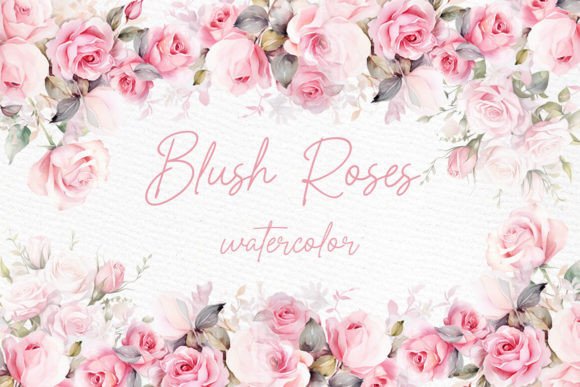
Watercolor Roses Clipart Blush Floral: A Designer's Guide
Understanding the Blush Floral Aesthetic
Watercolor roses clipart in a blush floral palette offers a distinct visual language. This style is characterized by soft, hand-painted petals that bleed gently into one another, creating a sense of organic movement and delicate imperfection. The blush tones—ranging from pale pink to dusty rose—convey warmth, romance, and understated elegance. Unlike flat vector graphics, these watercolor elements carry texture and depth, making them feel authentic and artisanal. The personality of this clipart set is gentle, sophisticated, and timeless, appealing to audiences who appreciate craftsmanship and subtle beauty.
The overall appeal lies in its versatility. The blush floral watercolor roses can adapt to various design contexts without feeling out of place. They work equally well in modern minimalist layouts and more traditional, ornate compositions. The soft edges and natural color variations allow them to blend seamlessly with different backgrounds, typography styles, and other design assets. For designers, this means fewer constraints and more creative freedom when incorporating them into projects.
Where This Clipart Set Shines: Real-World Applications
This watercolor roses clipart set is particularly effective for wedding-related designs. The blush floral palette naturally complements wedding stationery, from save-the-date cards and invitations to menu programs and thank-you notes. The high-resolution PNG files ensure crisp printing on various paper stocks, maintaining the delicate texture of the watercolor strokes. Beyond weddings, these elements elevate other celebratory designs like anniversary cards, bridal shower invitations, and engagement announcements.
In digital spaces, the blush floral watercolor roses add a touch of elegance to website banners, blog headers, and social media graphics. They can frame text beautifully in Instagram posts, create cohesive Pinterest pin designs, or serve as background elements in website hero sections. For entrepreneurs and small business owners, these assets help establish a brand identity that feels personal and premium. Consider using them on packaging for artisanal products, business card designs for creative professionals, or digital templates for online shops.
The set's utility extends to personal projects as well. Crafters and hobbyists can use these watercolor roses for scrapbooking, handmade greeting cards, or DIY home décor prints. The PNG format with transparent backgrounds makes them easy to layer and resize without losing quality. Publishers might incorporate them into book covers, chapter headings, or editorial layouts to add visual interest without overwhelming the text. The key is matching the clipart's soft, romantic aesthetic with projects that benefit from a gentle, human touch.
Integrating Blush Floral Elements into Your Design Strategy
When incorporating watercolor roses clipart into your work, consider how they influence visual hierarchy and brand perception. These elements naturally draw the eye, so placement matters. Use them to frame important information, guide the viewer's gaze, or create a focal point. In a logo design, a single watercolor rose can add sophistication; in editorial design, a cluster can break up text-heavy pages. The blush tones tend to evoke feelings of comfort and approachability, making them suitable for brands that want to appear welcoming yet refined.
Font pairing is crucial when working with decorative elements like watercolor roses. Since the clipart carries its own visual weight, balance it with typography that complements rather than competes. A clean sans serif font often works well for body text, providing readability against the organic shapes. For headings, a delicate script font or a modern serif can enhance the romantic feel. Avoid overly ornate or heavy typefaces that might clash with the watercolor's softness. Test different combinations to see what maintains clarity while achieving the desired aesthetic.
Evaluate the included styles and file formats to ensure they meet your project needs. The four PNG files at 300 dpi are print-ready, but consider the size requirements. At approximately 6-8 inches, they offer flexibility for various applications, from small social media icons to larger printed materials. For commercial use, always review the licensing terms to confirm you can use the assets in client work or products for sale. This watercolor roses clipart set is a valuable addition to any designer's toolkit, but its effectiveness depends on thoughtful integration into your overall design strategy.
Practical Considerations for Effective Use
Before finalizing your design, test how the watercolor roses clipart interacts with your color palette. The blush tones pair beautifully with neutrals like ivory, cream, and soft gray, as well as complementary colors like sage green or dusty blue. Avoid overly saturated hues that might compete with the delicate watercolor effect. Also, consider the overall composition—sometimes less is more. A single, well-placed rose can have more impact than multiple elements crowded together.
Readability remains paramount, especially when combining decorative elements with text. Ensure that any typography layered over or near the watercolor roses maintains sufficient contrast and spacing. In web design, check how the clipart displays across different devices and screen sizes. The PNG transparency allows for flexible placement, but always preview to avoid unintended visual clutter. For print projects, request a physical proof to verify color accuracy and texture reproduction.
Ultimately, watercolor roses clipart in a blush floral style offers a blend of artistic charm and practical versatility. Whether you're designing for a client, building a brand, or creating personal projects, these elements can add a layer of sophistication and warmth. By understanding their visual characteristics, testing their application across different contexts, and pairing them thoughtfully with typography and color, you can leverage this design asset to create cohesive, engaging, and professional work.